Renting vs. Buying in Hurghada: The Ultimate 2026 Guide

Hurghada, once a sleepy fishing village on the coast of the Red Sea, has fully transformed into a glittering global hub for tourism, remote work, and international retirement. Driven by ambitious domestic economic policies, continuous infrastructure overhauls, and its timeless crystal-clear waters, Egypt’s prime coastal city has caught the attention of both domestic and international real estate seekers. As we move through 2026, the question on everyone’s mind—from foreign expats and digital nomads to local investors—remains clear: Is it better to rent or to buy property in Hurghada right now?
The macroeconomic backdrop of Egypt in 2026 makes this decision significantly more nuanced than in previous decades. With the recent stabilization of the Egyptian Pound (EGP) following a series of fiscal reforms, an influx of Gulf-backed luxury mega-projects, and an explosive rise in European and global tourism, the local real estate market is moving at a blistering pace. Whether you are looking for a temporary sun-soaked sanctuary or a vehicle to build long-term generational wealth, understanding the dynamics of this unique resort market is essential. This comprehensive guide breaks down the financial realities, lifestyle trade-offs, and strategic insights necessary to decide whether to lease or purchase your piece of the Red Sea coast.
The Micro-Markets of Hurghada: Where Is the Demand?
Before diving into the math of renting versus buying, it is vital to realize that Hurghada is not a monolith. The city is segmented into highly distinct micro-markets, each offering vastly different lifestyles and financial yields:
- El Gouna: Just 20 kilometers north, this fully integrated, high-end private town functions on its own premium economic tier. Buying here requires heavy capital, but rental yields are exceptionally strong in hard currencies (USD/EUR).
- Sahl Hasheesh & Makadi Bay: Positioned to the south, these upscale resort communities feature luxury gated compounds, pristine shorelines, and manicured boardwalks, primarily appealing to affluent holidaymakers and foreign retirees.
- Intercontinental, Kawther, and El Mamsha: These central neighborhoods represent the urban heart of Hurghada. Offering a bustling mix of commercial promenades, European cafes, and mid-to-high tier residential apartments, they are highly popular among year-round expatriates and digital nomads.
- Ahyaa / El Helal: Moving up north towards El Gouna, these districts provide highly affordable options, attracting budget-conscious expats, though infrastructure development continues to play catch-up.
Renting in Hurghada: Flexibility, Liquidity, and Low Committal
In 2026, renting in Hurghada has evolved into a highly professionalized market. Long gone are the days when rentals were limited to basic local flats handled through informal neighborhood brokers. Today, a sophisticated array of property management companies and international platforms offer sleek, turnkey, fully furnished apartments across the city. You can find your new home on our website, morethanhouse.com
The Pros of Renting
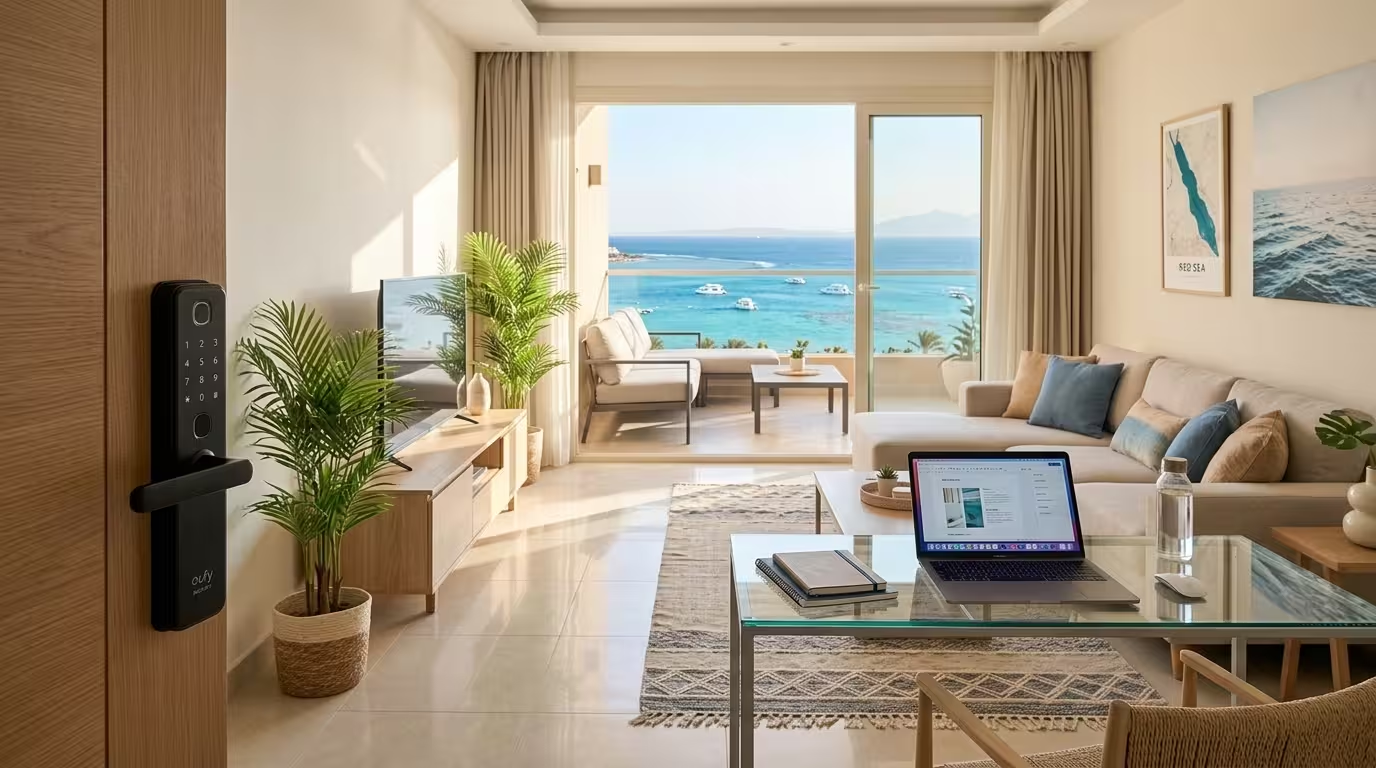
- Unmatched Flexibility: The primary advantage of renting is lifestyle mobility. For digital nomads, seasonal winter escapees (“snowbirds”), or individuals testing out whether they can adjust to Egyptian lifestyle permanently, a rental lease allows them to experience different neighborhoods without strings attached. You can live in the heart of El Mamsha for six months and then relocate to a quiet beachside condo in Sahl Hasheesh the next.
- Zero Capital Outlay and High Liquidity: Buying real estate ties up substantial capital. Renting preserves your liquidity, allowing you to invest your savings into global equities, liquid bonds, or your business, while paying a predictable monthly housing cost.
- Freedom from Maintenance and Fees: Property maintenance in a coastal city can be demanding. The high humidity, marine salt air, and community maintenance charges (compulsory compound fees) are entirely the landlord’s responsibility. If an air conditioner fails under the intense summer sun, the cost falls on the owner, not you.
The Cons of Renting
- Susceptibility to Currency Fluctuation and Inflation: Historically, property rental prices in prime expat zones are tied implicitly to hard currencies. As a renter, you are exposed to sudden rent hikes when your lease expires, especially if local demand continues to outstrip supply.
- Lack of Personalization: Rental units are rented as-is. Landlords in Egypt are often hesitant to allow tenants to structurally modify spaces, paint walls, or replace furniture to match personal, high-end taste.
The 2026 Rental Reality Check: A modern 1-bedroom apartment in a compound with pool access in El Kawther currently rents for approximately $450 to $700 USD per month. In ultra-premium locations like El Gouna, that figure easily spikes to $1,200 to $2,500 USD per month depending on lagoon or sea views.
Buying in Hurghada: Capital Appreciation and Hard Currency Yields
Buying property in Egypt has traditionally been the ultimate hedge against inflation for local citizens. In 2026, international investors have increasingly joined the fray, viewing Hurghada as one of the most competitive warm-weather beach destinations globally in terms of price-per-square-meter.
The Pros of Buying
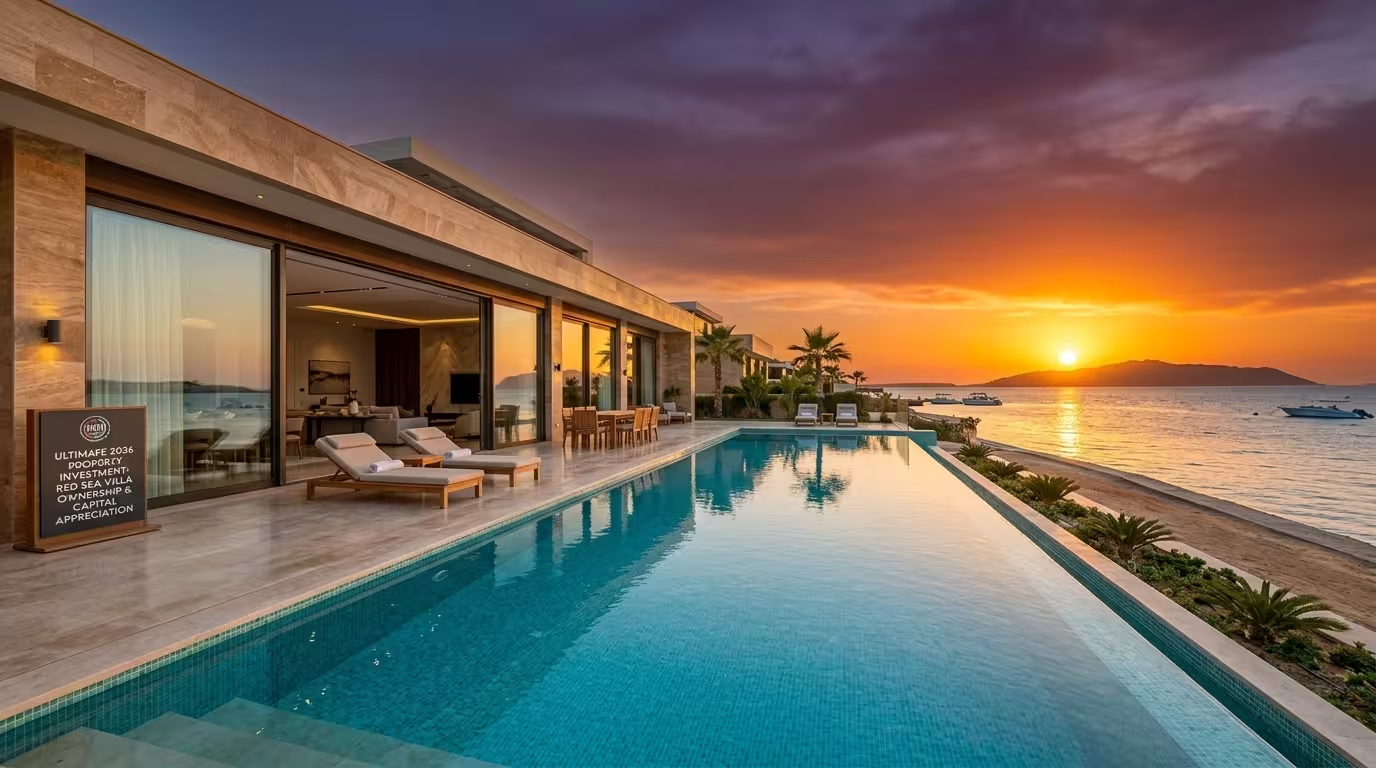
- High Capital Appreciation: Real estate in Hurghada has shown robust, compounding capital growth over the last three years. Driven by continuous luxury developments and scarcity of frontline sea-view land, purchasing early in a premium compound offers excellent equity upside over a 5-to-10-year horizon.
- Lucrative Hard-Currency Rental Incomes: For buyers not intending to live in their property full-time, the short-term vacation rental market (via morethanhouse.com) provides excellent returns. Properties in gated communities with beach access can net gross rental yields ranging from 8% to 12% annually, frequently collected in Euros or US Dollars, effectively turning the property into a high-yield cash-flowing asset.
- Pathway to Residency: Under current Egyptian law, foreign nationals who purchase real estate exceeding specific financial thresholds are eligible to apply for official Egyptian residency. This provides significant administrative peace of mind, eliminating the need for continuous tourist visa renewals.
The Cons of Buying
- Liquidity Lock-Up and Exit Times: Real estate is inherently illiquid. If you suddenly need capital for a personal emergency, selling a property in Hurghada at fair market value can take anywhere from three to nine months, depending on the macroeconomic landscape and seasonal market demand.
- Hidden Purchase and Upkeep Costs: Buyers must navigate upfront expenses, including legal due diligence fees, registration taxes, and mandatory “lifetime maintenance deposits” (often 8% to 10% of the property value paid upfront to cover compound upkeep indefinitely).
Comprehensive Financial Breakdown: Rent vs. Buy
| Financial Metric | Renting a Property (2026) | Buying a Property (2026) |
| Upfront Capital Required | Minimal (1-2 months security deposit + first month’s rent). | High (Full cash payment or 15-30% downpayment for off-plan). |
| Monthly/Annual Costs | Fixed rent + electricity, water, and internet bills. | Annual compound community fees, property tax, repair costs. |
| Wealth Accumulation | None. Monthly outlays are pure expenditure. | Substantial through asset equity growth and appreciation. |
| Income Potential | None. Subletting is strictly forbidden in standard leases. | High (8-12% annual yield via short-term vacation rentals). |
| Legal Commitments | Low. Standard 1-year renewable contracts. | High. Strict real estate ownership contracts and registration. |
Who is Best Suited for What? The 2026 Persona Check
The definitive answer to “Renting vs. Buying” depends strictly on your personal profile, financial standing, and long-term intentions in Egypt. Let us explore the most common profiles present in Hurghada today:
Profile A: The Digital Nomad & Seasonal Remote Worker
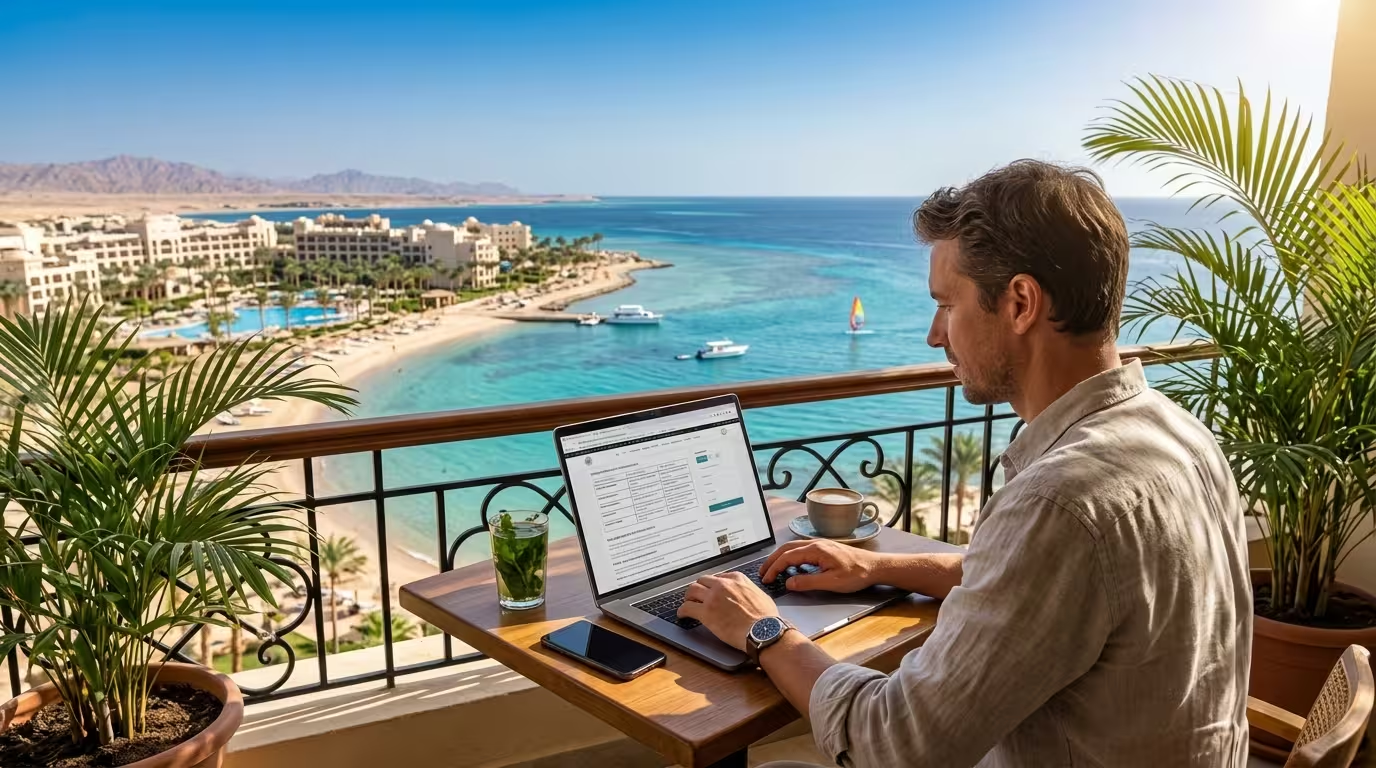
If you are a remote professional spending 3 to 6 months a year in Hurghada to escape the European winter, renting is almost always your best choice. The hassle of setting up local bank accounts, handling off-season maintenance, and paying property taxes outweighs the benefits of ownership. Renting allows you to enjoy the coastal lifestyle with zero operational friction.
Profile B: The Long-Term Expat and Golden Retiree
If you plan to settle down permanently, make Hurghada your primary home, or spend your retirement years enjoying the Red Sea lifestyle, buying is the superior path. Ownership gives you total autonomy over your living space, guarantees that an unexpected landlord notice won’t force you to move, and eliminates the ongoing threat of inflation eating away your retirement funds via rising rental costs.
Profile C: The Pure Real Estate Investor
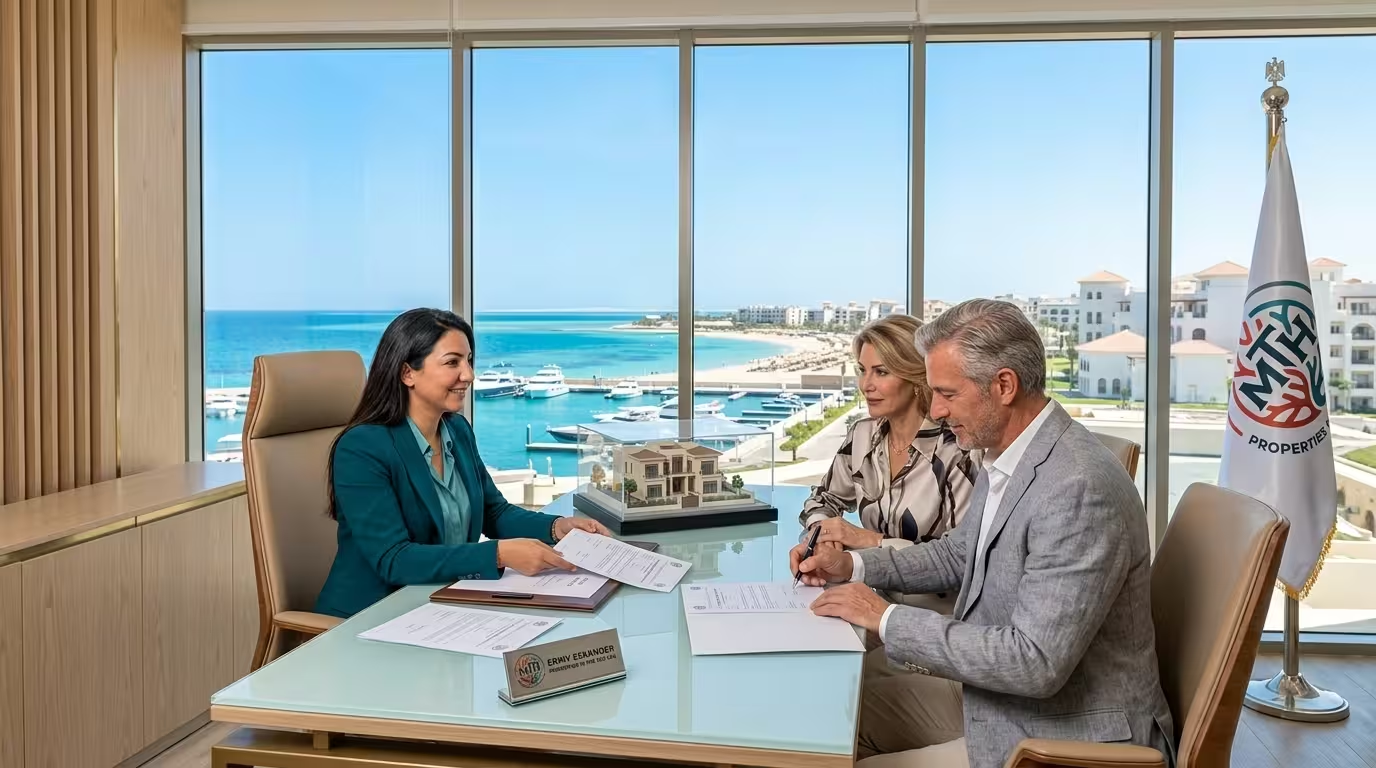
If you are looking for an asset to diversify a heavily stock-based portfolio, buying is an outstanding opportunity. By selecting a premium property in a high-demand gated compound with direct beach access or lagoon views, you can capitalize on both the booming tourism sector (via short-term holiday rentals) and the structural economic upside of Egypt’s coastal expansion.
Crucial Factors to Consider Before Pulling the Trigger
If you lean towards purchasing property in Hurghada, doing so blindly can lead to major setbacks. Keep these golden rules in mind:
- Due Diligence on the Developer: If you buy an “off-plan” property (still under construction), only deal with reputable, well-established developers with a proven track record of delivering projects on time. Ask to see their completed projects in the region.
- Verify the Legal Status: Ensure the land and building have full legal authorization, are free of debt liens, and are eligible for proper registration. Hiring an independent, reputable local real estate attorney is mandatory.
- Factor in Currency Dynamics: If you earn in a strong foreign currency (USD, EUR, GBP), your purchasing power in Egypt is historically very strong. However, make sure your investment capital is safely deployed and that you understand the rules around repatriating funds when you eventually sell.
Conclusion: The Final Verdict
As Hurghada continues to cement its status as a world-class resort city in 2026, both renting and buying present highly compelling paths. There is no one-size-fits-all solution; it is an optimized equation balancing freedom against stability.
- Rent if you value your short-term flexibility, want to avoid property management responsibilities, or are testing the waters of a coastal Egyptian lifestyle.
- Buy if you are looking to plant long-term roots, hedge against global fiat inflation, or actively tap into a highly rewarding hard-currency rental market driven by international tourism.